Recognize the Signs of Sliding Door Lock Problems
Your sliding glass door lock should work smoothly whenever you need to secure your patio entrance. However, everyday use, worn hardware, and alignment issues can eventually make locking and unlocking your door harder. You may notice the lock feels stiff, the latch doesn’t engage properly, or you have to move the door several times before it locks. These problems can be frustrating, especially when you depend on your sliding door for convenient access to your backyard or patio. Sometimes, the issue starts with minor wear inside the locking mechanism. In other cases, the door panel may have shifted, preventing the lock from lining up with its strike plate. You shouldn’t have to force the handle or repeatedly push the door into position to secure it. If you notice changes in how your lock operates, consider having the hardware inspected. Early attention can help you identify the cause and determine whether an adjustment, repair, or replacement is necessary. Keeping your sliding door lock in good working condition helps you maintain convenient access and dependable everyday operation.
Understand How Door Misalignment Affects the Lock
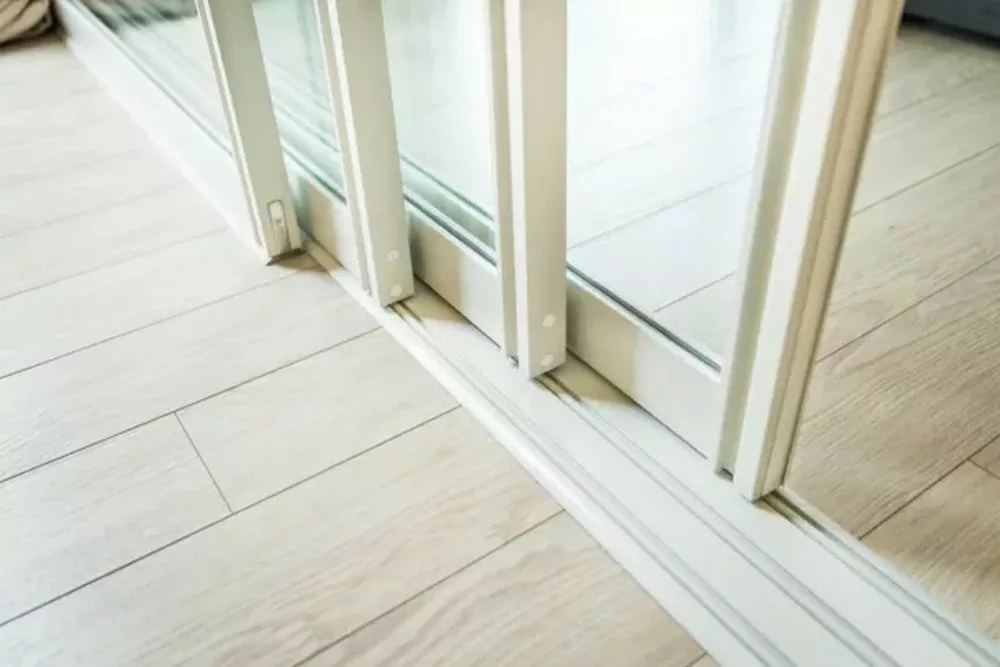
One common reason your sliding glass door lock becomes difficult to operate is improper door alignment. Your sliding door needs to sit at the correct height and position for the locking mechanism to engage properly. When the panel shifts, the latch may no longer line up with the strike plate on the door frame. You might notice that the lock works only when you lift, push, or pull the door into a certain position. This can happen when the rollers wear out, get damaged, or aren’t adjusted properly. Since the rollers support the door panel, their condition affects how the door sits within the frame. A damaged or dirty track can also interfere with movement and alignment. If you keep forcing the lock, you may put extra stress on the handle and locking components. Having the rollers, track, and alignment checked can help identify the source of the problem. A professional adjustment may restore proper positioning and allow the latch to engage more easily. If your sliding glass door only locks when you push it firmly into place, consider scheduling an inspection before the issue causes further hardware problems.
Check for Worn or Damaged Locking Hardware
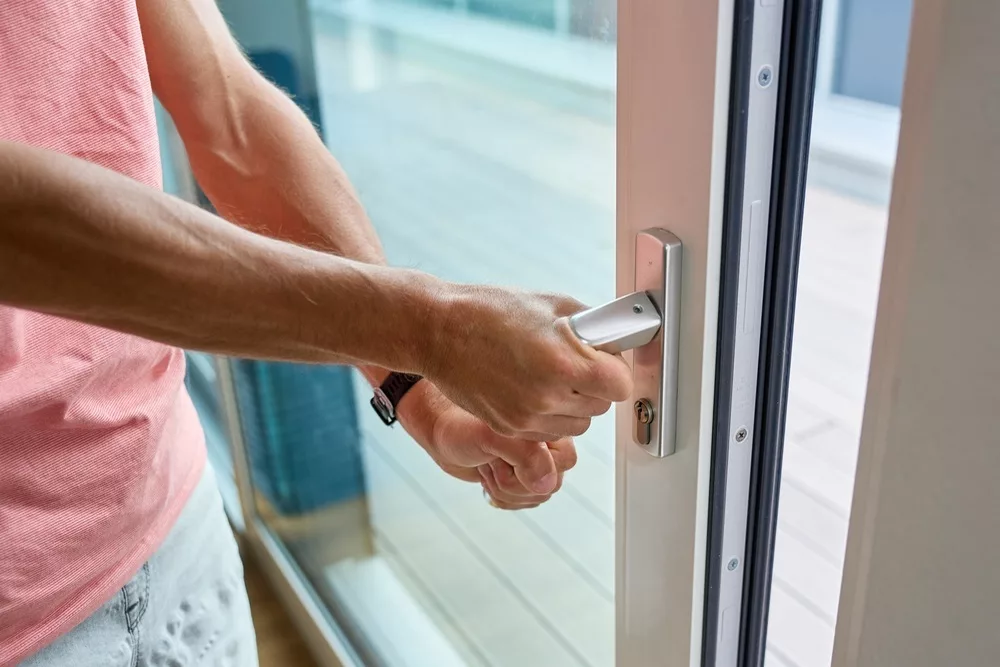
Your sliding glass door locking mechanism sees regular use, so its internal components can eventually wear down. Repeated locking and unlocking can affect the latch, handle, mounting hardware, and other moving parts. Over time, you may notice that the lock feels loose, sticks during operation, or no longer responds properly when you turn the handle. Dirt and debris can also interfere with certain hardware components, making the mechanism harder to operate. In some cases, tightening or adjusting the hardware may correct the problem. However, a damaged latch or worn locking mechanism may require replacement. Also consider the condition of the handle, as a loose or damaged handle can affect how the lock operates. If you notice visible damage or unusual resistance, avoid forcing the mechanism. Doing so can make the existing problem worse or damage additional components. A professional sliding door technician can inspect the hardware and determine whether repair or replacement is the better option. Addressing worn locking components can help restore easier operation and make securing your patio door less frustrating.
Avoid Forcing a Stiff Sliding Door Lock
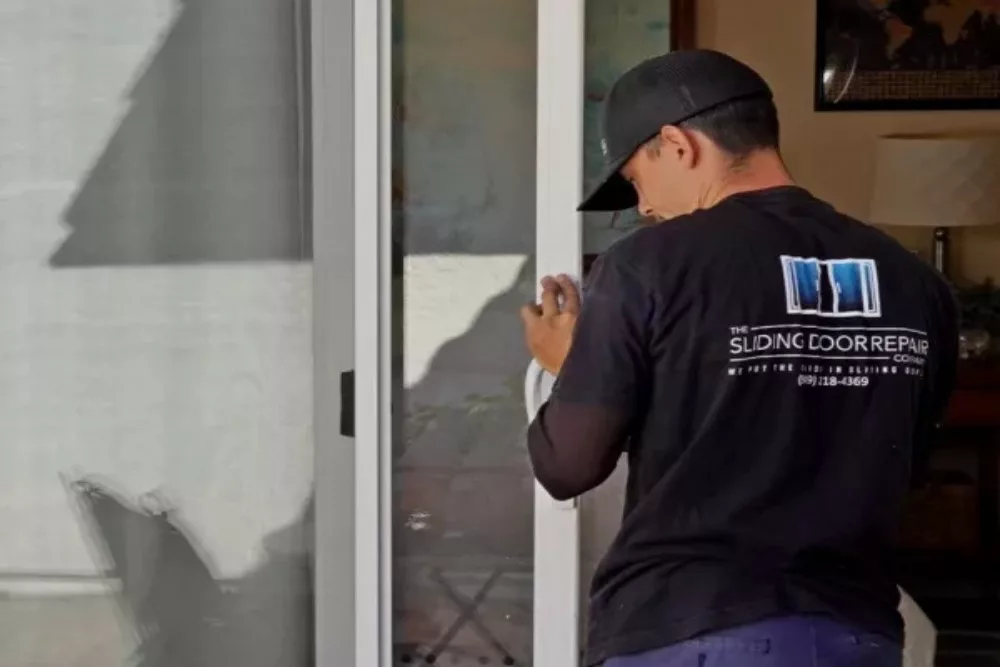
When your sliding glass door lock becomes difficult to operate, forcing the handle may seem like the quickest solution. However, repeated pressure can place unnecessary stress on the locking mechanism and surrounding hardware. You may eventually damage the handle, latch, or internal components, turning a relatively simple repair into a more involved service. A stiff lock can also signal that the door isn’t moving or sitting correctly within its frame. Before attempting repeated adjustments, consider whether the panel has become harder to slide or whether the door appears uneven when closed. These symptoms may point to roller or track problems that affect the locking system. Cleaning the track and keeping the door area free of debris can help improve movement, but these steps won’t fix worn hardware or serious alignment issues. If the lock continues to stick, professional service can help identify the underlying issue. The Sliding Door Repair Company can inspect your patio door’s locking mechanism and related components to determine what needs attention. Addressing the problem early can help you avoid unnecessary damage and restore convenient access to your outdoor space.
Restore Reliable Sliding Door Lock Operation
Your sliding glass door should open, close, and lock without requiring excessive effort. When the locking mechanism becomes stiff, loose, or difficult to engage, the problem may involve worn hardware, improper alignment, damaged rollers, or track issues. Identifying the actual cause matters because replacing the lock alone may not fix a problem caused by the door’s position. At The Sliding Door Repair Company, you receive skilled service focused on repairing sliding glass door hardware and addressing issues that interfere with smooth, secure operation. If your patio door lock no longer works properly, professional service can help determine whether the mechanism needs adjustment, repair, or replacement. You can also have the rollers, track, handle, and alignment inspected to identify related concerns. Do not wait until a difficult lock prevents you from securing your patio entrance. Contact The Sliding Door Repair Company today at (949) 889-2627 for professional sliding glass door lock repair and replacement solutions. With careful workmanship and the right repairs, you can enjoy easier door operation and greater confidence when securing your home.