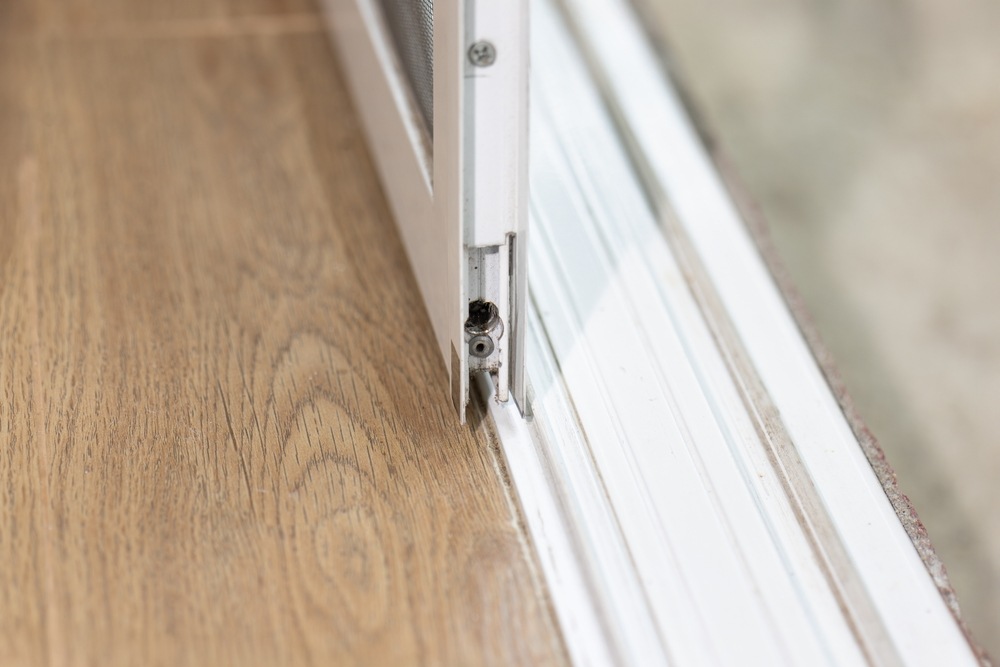
Understanding Why Rust and Corrosion Happen
When you notice your sliding door becoming harder to open or close, there’s a good chance rust and corrosion are playing a role. These issues occur when metal components like tracks, rollers, and handles are exposed to moisture and oxygen for long periods. If you live near the coast, salty air can speed up the process, while even inland homes face risks from humidity, rain, or water leaks. Once rust forms, it spreads quickly, eating away at the metal and weakening its strength. Corrosion doesn’t just harm how your sliding door looks—it directly impacts its ability to operate smoothly and safely. By understanding the causes, you can take proactive steps to stop these problems before they get worse.
The Importance of Regular Cleaning and Maintenance
You may think cleaning your sliding door is just about aesthetics, but it’s one of the most effective ways to protect against rust. Dust, dirt, and debris that settle on tracks trap moisture, creating the perfect conditions for corrosion. By regularly wiping down the frame, vacuuming the tracks, and washing with mild soap and water, you keep harmful buildup at bay. Don’t forget to dry the surfaces thoroughly after cleaning to reduce lingering moisture. For extra protection, consider applying a light coat of silicone spray or lubricant to the tracks and rollers. This not only prevents friction but also creates a barrier against water. When you stick to a simple cleaning routine, you’ll significantly extend the life of your sliding doors.
How Weatherproofing Can Make a Difference
Weather conditions are a significant factor in the health of your sliding doors. If rainwater, wind, or salt air constantly reaches the metal parts, the risk of rust skyrockets. Sealing gaps with weatherstripping helps block out moisture, while caulking around the frame prevents leaks from seeping inside. Installing overhangs or awnings above your sliding doors can also shield them from direct rain exposure. If you live in coastal areas, rinsing the metal parts with fresh water every so often helps wash away salt deposits before they have a chance to corrode the surface. Weatherproofing not only keeps rust away but also improves insulation, reducing drafts and energy loss in your home.
Spotting Early Signs Before Damage Spreads
It’s easy to overlook the small things, but catching early warning signs is key. If you hear grinding noises, feel resistance when opening the door, or spot orange-brown spots on the metal, rust is already forming. Pitting or flaking on the surface is another clue that corrosion is underway. Addressing these issues early makes repairs simpler and less expensive. For minor cases, light sanding and protective coatings can stop the spread. However, ignoring these early signs allows rust to spread deeper, which can compromise the structural integrity of your door’s frame and hardware. A little vigilance on your part can save you from major headaches later.
Moving Forward with Professional Repair and Lasting Protection
Taking steps on your own helps, but sometimes professional service is the best way to restore your sliding doors. If your sliding door is not functioning correctly, don’t wait for the problem to worsen. Professional sliding door repair will save you time, money, and stress in the long run. Call The Sliding Door Repair Company today at (949) 889-2627 for expert repairs that restore your door’s functionality and security. We offer high-quality service and repairs, ensuring you enjoy smooth, trouble-free operation for years to come.